
When it comes to securing your valuables, how do you know which type of safe is the right choice for you?
Whether you live at home and need to ensure your valuables are secure or you own a business and need to secure your business-related valuables, a pistol safe is necessary to secure your firearms and other valuables.
Now the problem there is which pistol safe would be more secure. Many handgun owners are drawn to biometric safes, thinking they offer the most secure and high-tech solution. After all, biometric locks use your fingerprint feature to unlock the safe—seems like a guaranteed way to keep it secure, right?
But like most things in life, it’s actually a bit more challenging. Both biometric safes and traditional locks have their advantages and disadvantages, so it’s important to consider them carefully to choose the best option for you.
Let’s take a closer look at both, so you can decide which one provides the security and peace of mind you’re looking for and will help you make an informed decision.
What Are Biometric Safes ?
Biometric safes are crafted with unique locking systems that use your unique physical features like your fingerprint to open the lock. It scans and records your fingerprint pattern, so when you touch the sensor, the safe opens just for you and you can easily access your valuables.
It stays locked if anyone else tries to access it as it will just read the fingerprints that are already saved into the system. This makes biometric safes a popular choice because they offer quick, hassle-free access.
For example, if you are a gun owner and need fast access to your firearm in an emergency, a biometric safe can be a real lifesaver. In fact, a lot of people, about 81% of safe owners, believe biometric systems are the most secure way to keep things safe.
The technology behind these safes is appealing because it offers:
1. It offers convenience so you don’t need to remember a passcode or keep track of a physical key. Here, your fingerprints play the role of a key.
2. It offers speed so you can access your valuables quickly in emergencies. For example, need immediate access to your firearms or other valuables like documents.
3. It provides unique access as biometric data is highly personal, making it difficult for thieves or burglars to replicate your fingerprint or any other biometric feature.
Many biometric safes also let you set up fingerprints of multiple users, which is great if you have family members who need access to the safe too. But, let’s be honest, a safe is a big investment, and it can be difficult to figure out which type of locking system works best for your needs. However, biometric safes aren’t without their vulnerabilities.
So, let’s break down the pros and cons of biometric safes to help you make a more informed decision.
The Benefits of Biometric Safe Locks
If you are considering a biometric safe, there are some key advantages that will make it the right choice for you.
No Need for Keys or Passcodes
One of the biggest benefits of a biometric safe is that you don’t need to worry about keys or passcodes. It is something we have all experienced—losing a key or forgetting a combination can be a huge hassle. With a biometric lock, you simply use your fingerprint, making it far more convenient. And if you are in a hurry, like you need quick access to important documents or firearms, this safe can save you a lot of time.
Quick and Easy Access
For those who own firearms or valuable items, quick access to your safe can be crucial in an emergency. A biometric safe allows you to open it with just a fingerprint. It is a fast, one-step process that can give you peace of mind.
Highly Personal Protection
Biometric security is personal where your fingerprint is unique to you, so a burglar can’t simply guess your combination like they might with a passcode. To break into your safe, they would have to go to extreme lengths to replicate your fingerprint or another biometric feature, which is far more difficult than cracking a code. This makes it a highly secure option for those who want to ensure their valuables are well-protected.
The Downsides of Biometric Safes
However, biometric safes aren’t without their vulnerabilities. Consider these potential downsides:
1. Technology Failures:
Biometric safes are dependent on technology, which can sometimes fail. Problems like sensor malfunctions, battery depletion, or electrical failures can lock you out when you need access most especially in emergencies.
2. False Positives/Negatives:
Biometric systems can sometimes grant access to the wrong person (false positive) or fail to recognize you (false negative). This makes them less reliable than traditional locks, especially if you are in a hurry.
3. Environmental Factors:
Moisture, dirt, cuts, or even wear on your skin can interfere with fingerprint scanning technology, causing frustration or even complete failure to recognize your print.
4. Security Weaknesses:
Lower-quality biometric safes may have weaker internal locking mechanisms. Some systems are at risk of being bypassed by hackers or skilled criminals who can unlock the biometric system.
5. Backup Systems Are Often Inadequate:
Many biometric safes come with a key or mechanical lock as a backup, but these backups may not be strong enough to fully replace the technology if it fails.
Why Traditional Safes Are Still Popular
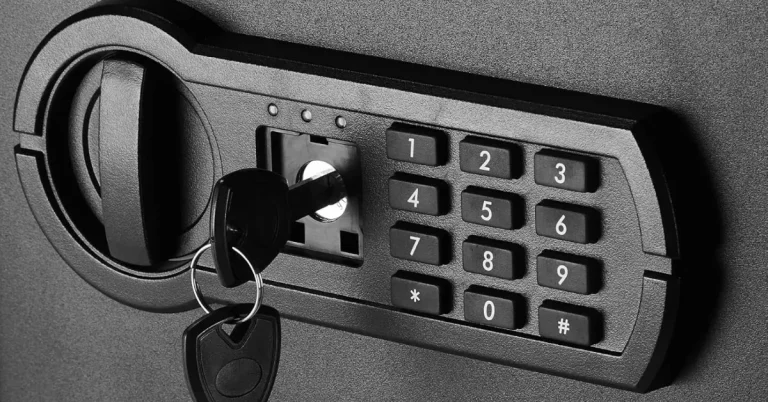
Traditional safes, which use mechanical or digital keypad locks, have stood the test of time. Here’s why they might be a better choice for many potential buyers:
1. Reliability:
Mechanical and digital locks are much simpler and less prone to technological failure. You don’t have to worry about dead batteries, glitches, or sensors that fail to read your fingerprint.
2. Security:
These locks are often harder to tamper with.
- Mechanical locks, for example, use a combination dial system with over a million possible combinations, making them extremely difficult to crack.
- Digital locks, while battery-operated, usually retain your passcodes even when the battery dies, making it impossible for an intruder to electronically hack the system.
3. Certifications and Standards:
Traditional safes are more likely to meet or exceed UL or ETL standards for security, which means they have passed extensive testing for fire resistance, burglary protection, and other security features.
4. Simplicity:
With a traditional lock, you are not dependent on sensors, scanners, or batteries. It’s simple, direct, and easy to use.
5. Consistency:
Mechanical locks provide consistent performance without the need for accuracy like with biometric scans. Digital keypads also offer easy access without the need for complex biometric systems that might fail under certain conditions.
Biometric Safes vs. Traditional Safes: Which One Should You Choose?
The decision between biometric and traditional safes ultimately depends on your priorities. Here’s a breakdown to help you decide:
Consider a Biometric Safe If:
– You value quick access and hands-free operation.
– You don’t want to worry about keeping track of keys or remembering codes.
– You’re looking for high-tech security with a focus on personal identification.
Consider a Traditional Safe If:
– You want reliability and ease of use with minimal maintenance.
– You prefer a tried-and-true security system with fewer technological dependencies.
– You are looking for a more secure, tamper-proof system that is backed by certifications.
– You prefer having multiple backup options in case one system fails.
CONCLUSION
In the end, both biometric and traditional safes offer valuable features, but they each have their strengths and weaknesses.
Biometric safes are popular for their convenience and cutting-edge technology but they are not always the best choice, as these safes come with some drawbacks you have to consider such as the risk of sensor malfunction or false scans.
On the other hand, a traditional safe with a mechanical or digital lock provides you with reliability and security.
No matter which option you choose, always remember that the key to a safe’s effectiveness is not just the technology behind it, but how well it suits your specific needs and lifestyle.