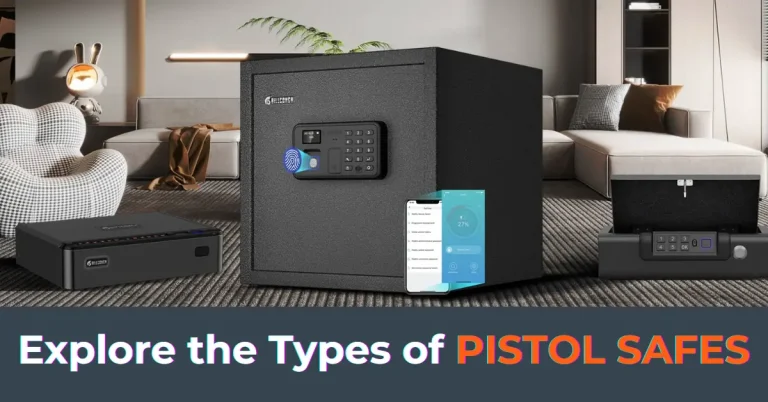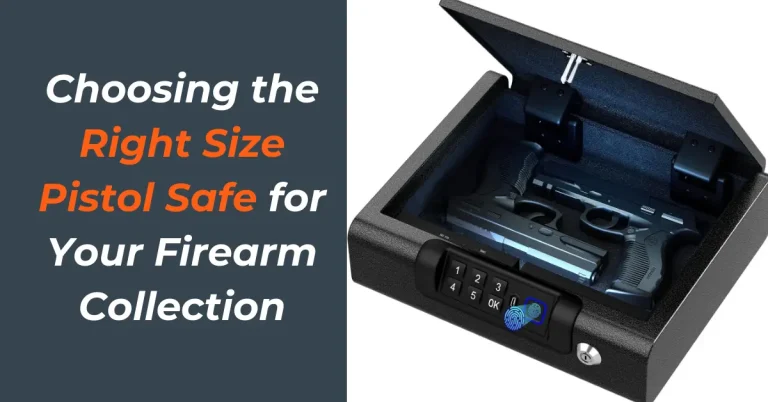
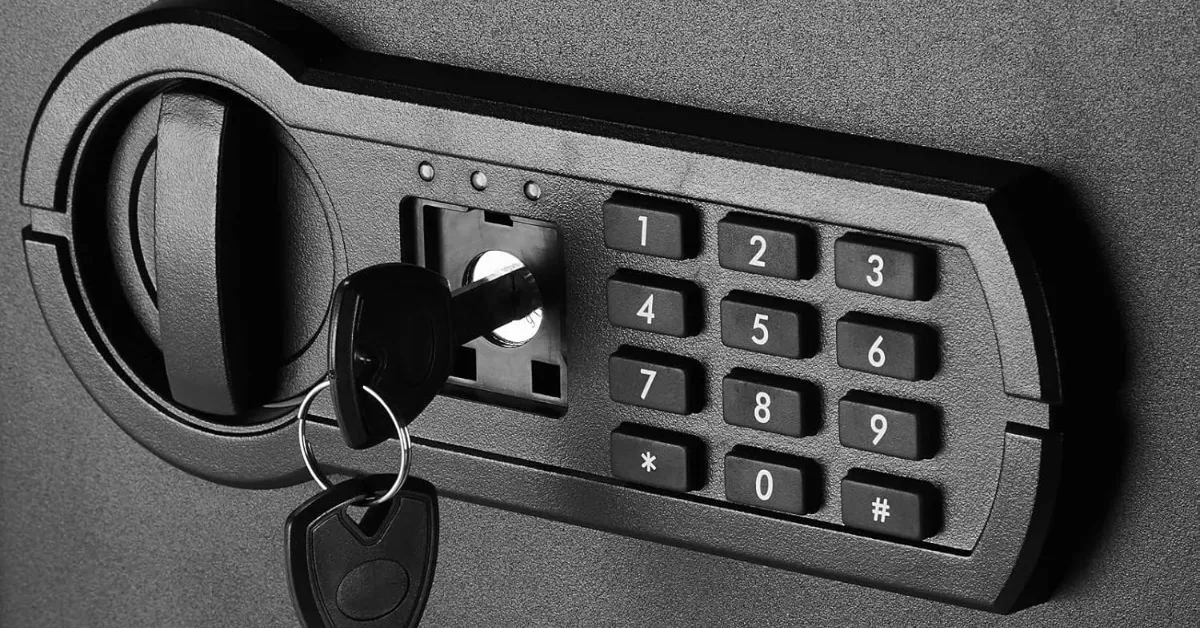
If you’ve been locked out of your electronic safe and found yourself staring at the keypad, wondering what went wrong? If you answer yes, then you’re not alone in this situation.
No doubt electronic safes offer great convenience and security and are popular for their advanced features, but they can sometimes run into issues, just like any other piece of technology.
In this article, We will take you through some of the most common problems you might face with safe lock and will share some simple solutions to get your safe back in action so you can keep your valuables protected without the stress.
Common Issues with Electronic Safe Locks
1) Dead Batteries
One of the simplest and most common issues of electronic lock safe is dead batteries. A good quality battery should last for a couple of years even longer. But when you access your safe regularly, then the battery of the electronic lock could drain out. I remember the first time it happened to me. I went to open my safe, and the keypad wouldn’t respond. I was locked out. To solve this situation, replacing the batteries is usually all it takes. Most safes have a backup key or emergency override option to get in if you don’t have a spare battery on hand.
Solution:
Some tips to make sure your safe work smoothly are:
- Always keep fresh batteries in your safe’s compartment.
- Change the battery once a year. Even though the battery can last longer still make a habit to replace it every year to avoid being locked out.
- Go for a reputed brand like Duracell. Duracell tends to be the best choice for keeping your safe working smoothly.
2) Forgotten Code
Once in life, we all had that moment of forgetting a password or code and staring at the keypad, feeling that little wave of panic. I’ve been there myself. But here is the simple solution for you. If you have forgotten your code, there is no need to stress. Most electronic safes offer an easy way to reset the code, usually with a master key or a hidden reset button inside the safe itself.
Solution:
The solution is to keep your reset instructions and master key in a secure but accessible place, you’ll be at ease when the time comes.
3) Lock Out Mode
This is another common issue that has a simple solution. If ever you accidentally enter the wrong code too many times in a row, your safe will go into “lock out mode” and stop responding to any input you enter. It can feel frustrating when this happens, but don’t worry it’s a built-in security feature designed specifically to stop burglars from repeatedly guessing codes to break in. The lockout usually lasts around 15 to 20 minutes.
Solution:
The best way to fix this is to just step away from the safe and give it some time. After 15 to 20 minutes, it will reset and you will be able to try again. It’s a good reminder to double-check the code before entering it!
4) Keypad Malfunction
Sometimes, the keypad itself can stop working properly, either due to moisture, dust, or simply from regular use over time.Once, my keypad stopped working during a rainy week, probably because moisture got inside.A gentle wipe-down with a dry cloth can often solve this. If the problem continues, you may need to replace the keypad.
Solution:
Regularly clean the keypad to avoid dust and moisture buildup, and avoid over-pressing the buttons.
5) The Safe Relocks Too Quickly
Most electronic locks are designed with a built-in feature that gives you about 6 seconds after entering the code to open the safe. This is to make sure you don’t accidentally walk away and leave it unlocked. If you enter the code but don’t turn the handle within that time, the safe will automatically relock.
Solution:
It is simple to fix this situation. Just re-enter your code and turn the handle before it relocks. It’s a quick and easy way to get back in.
6) Handle Feels Jammed
This is a common issue for new safe owners who are still getting familiar with how things work. After entering the code, it may feel like the handle is jammed and won’t turn. This happens when the handle is pushed too far to the left or right, which puts pressure on the locking bolt and prevents it from disengaging.
Solution:
To fix this, simply adjust the handle to the middle position and then re-enter the code. Once you do that, the handle should turn easily, and the safe will open without any issues.
CONCLUSION
In most cases, the common issues with electronic safe locks are easy to fix with just a little knowledge and the right approach. Whether it’s dead batteries, a forgotten code, or a keypad malfunction, most problems can be solved quickly to get your safe back in working order.
Remember to maintain your safe regularly by replacing the batteries annually, keep the keypad clean, and always have your reset instructions and master key in a secure but accessible place.
If you ever find yourself stuck and can’t resolve the issue on your own, reaching out to the manufacturer or a professional locksmith for help is a good move. Taking care of these small maintenance tasks will ensure your electronic safe continues to keep your valuables safe and secure without any unnecessary stress.